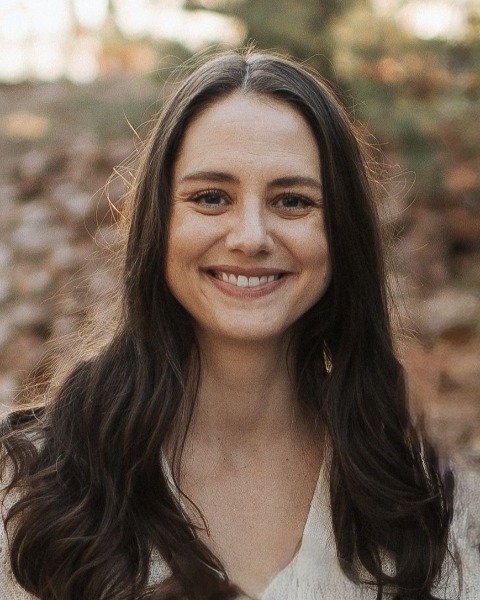
Associate Director Novartis Cambridge, Massachusetts, United States
Disclosure(s):
Allison Claas, PhD: No relevant disclosure to display
Across the phases of drug development, computational approaches such as machine learning, pharmacokinetic and pharmacodynamic (PK/PD) modeling, and quantitative systems pharmacology (QSP) modeling are now widely accepted and utilized tools to generate novel insights and accelerate the path to a clinically efficacious therapeutic. As each methodology has its strengths, weaknesses, and unique data requirements, it is common that these models are built without connectivity to one another. However, by leveraging the strengths of ML/AI in processing and analyzing complex datasets and the mechanistic insights provided by QSP, we can enhance our understanding of drug behavior and efficacy. This presentation delves into the transformative potential of combining ADME ML/AI models with PK/PD and QSP methodologies to change the face of drug discovery by generating and testing hypotheses - in silico first. With a focus on ADME, PK and PD predictions for optimization early in drug development, we highlight how individual fit-for-purpose models can be integrated qualitatively and quantitatively to generate a holistic evaluation of PK/PD. Further, we describe novel ML/AI PK models, DeepPK and DeepCt, for early prediction of in vivo PK which can be readily combined with translational PD models to identify the most promising candidates to take into preclinical studies. We highlight the application of these methods for development of targeted protein degraders, an attractive therapeutic class to modulate targets that were previously considered “undruggable” where understanding of kinetics is critical to realize the potential of a pharmacodynamic advantage over inhibition.